Dog Sledding with Carts vs snow sledding: What’s the difference?
11 Juni 2026
Dog sledding is one of the most popular activities in the Arctic and a must-do for many travelers visiting Tromsø. However, depending on when you travel and the snow conditions you can encounter two different options: dog sledding with carts during autumn (from mid-September and throughout November) and traditional dog sledding on snow during winter (from December until late March or early April).
You may wonder which option is best. We came up with a guide to help you understand the differences between autumn and winter dog sledding tours and help you decide which experience is right for your Arctic holiday.
The tradition behind dog sledding
Dog sledding in Norway dates back millennia (between 8,000 to 10,000 years), originating from an indigenous Sami and Arctic survival necessity. Sled dogs helped people travel across snowy landscapes, transport supplies, and reach areas that would were inaccessible during winter. Today, dog sledding remains an important part ofArctic culture and heritage.
Why are there two types of dog sledding?
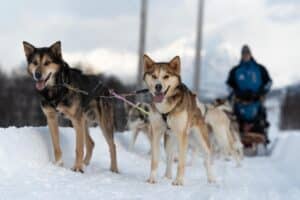
You could tend to think that dog sledding on wheels is just a substitute for the “real” dog sledding. In reality, huskies need regular exercise and training throughout the year. During autumn in Northern Norway, temperatures become cooler and ideal for the dogs to run, but there is often not enough snow on for traditional sleds. This is where dog sledding carts come in. Wheeled carts allow the dogs to train safely before winter arrives. For travelers, this is a great opportunity to experience dog sledding from September until enough snow arrives.
What to expect from dog sledding with carts?
If you’re visiting Tromsø in autumn and want to join a dogsledding tour with carts, you can check here our available autumn dog sledding tours.
Although it may seem very different from traditional dog sledding, the core of the tour remains exactly the same. You’ll still meet the huskies, learn how to be a good musher, and discover the enthusiasm and the playfulness of the dog team.
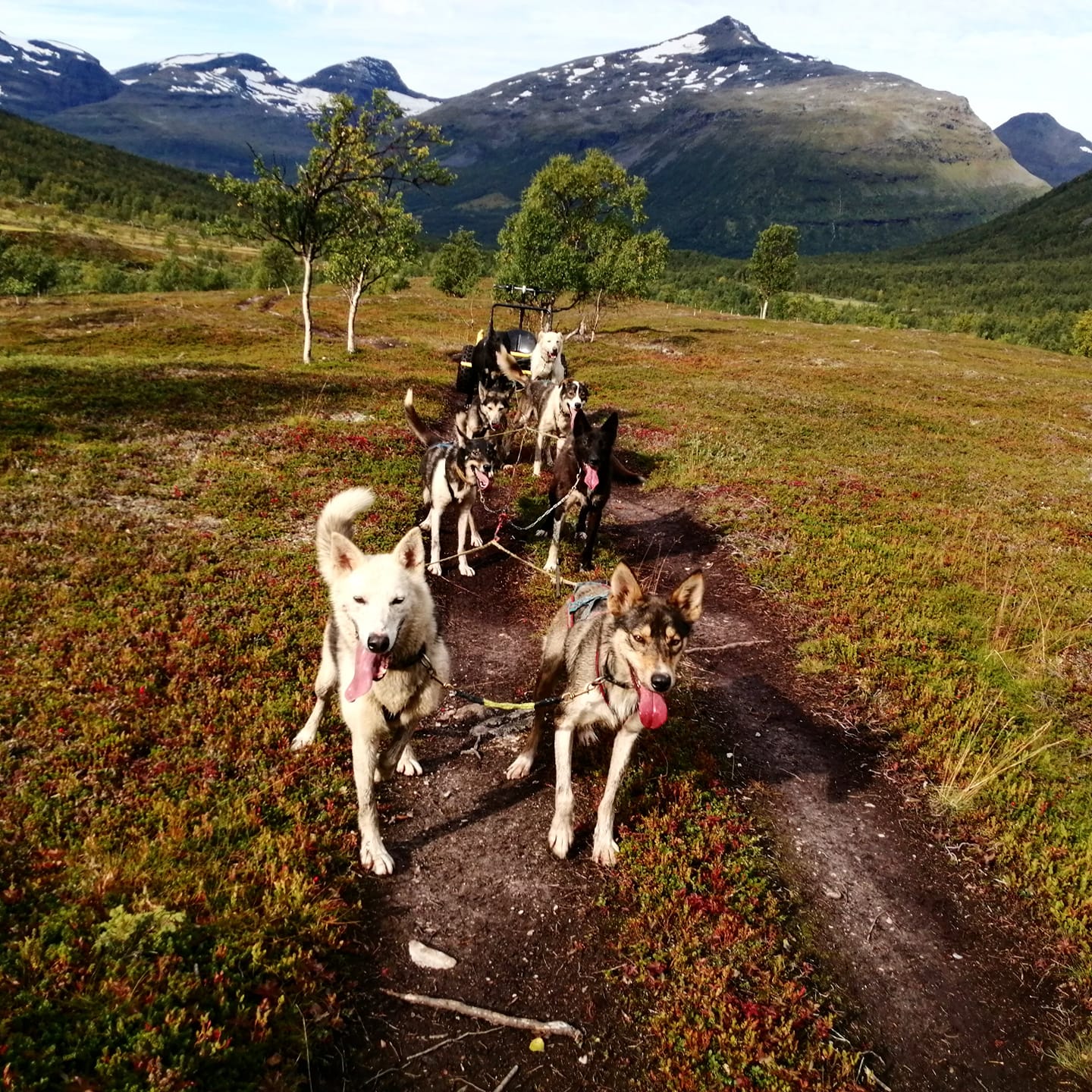
The most notable difference is the landscape. Instead of sledding through fully white snow-covered areas, you’ll be surrounded by autumnal nature and colors. Fall brings golden and red shades to the trees and vegetation. In the backdrop, the first snowy peaks of the season may appear.
Autumn in the Troms region typically brings cool and stable temperatures, making it an ideal season for the huskies to run. Between September and November, daytime temperatures generally range from +10°C in early autumn to around -5°C by late November. While the first snowfall often appears on surrounding mountain peaks, lower-altitude trails may remainsnow-free for several weeks. The comfortable temperatures create excellent conditions for dog sledding with carts before winter fully arrives.
Our tours are available to book both with and without transfer from Tromsø to best address your needs. Read more about our dog sledding tours with carts here.
Why choose dog sledding with carts?
Available during autumn before the first snowfall
Experience a more colorful side of the Arctic
Meet and interact with the huskies
Ideal if you’re travelling outside the winter season
Less tourists and reduced prices
The traditional dog sledding on snow
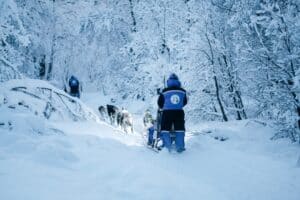
For many visitors, dog sledding on snow is the Arctic adventure they have always imagined. The dogs will guide you along snowy trails across forests, valleys and open mountain areas. Winter gives another dimension to the experience. Snow-covered trees, frozen landscapes, and the soft Arctic light often reflect what you imagined of a dog sledding tour.
The interaction with the dogs remains one of the highlights of the trip. You’ll have the opportunity to meet the huskies, learn about their training, and discover their love for running through the wild trails.
Winter dog sledding is generally available from late November or December until spring (March or beginning of April), depending entirely on snow conditions. Since every season is different, the exact start date can vary from year to year. Winter in Northern Norway transforms the landscape. From December through March, temperatures in the Tromsø area typically range between -10°C and +2°C, although colder periods can occur. Sufficient snow cover is essential for traditional dog sledding, which is why tours generally begin once winter conditions are firmly established.
Read more about our winter dog sledding tours here.
Why choose dog sledding on snow?
Experience the classic dog sledding experience
Discover snow-covered landscapes
Perfect if you’re travelling during the winter season
Less tourists and reduced prices
Which dog sledding experience to choose?
The answer depends mainly on when you are visiting Tromsø and what type of scenery you’re looking for.
If your priority is experiencing traditional Arctic winter scenery, snow sledding is the obvious choice. The snowy surroundings create the classic postcard image many travelers dream about.
However, if you’re visiting in autumn, dog sledding with carts is far more than just a substitute. Many guests appreciate seeing the dogs in training, enjoying the colorful landscapes, and experiencing the Arctic before the winter season begins. The adventure remains authentic, exciting, and memorable.
Most importantly, both experiences allow you to connect with the huskies, learn about mushing culture, and enjoy Norway’s landscapes.
Diesen Artikel in Ihren sozialen Netzwerken teilen:
Entdecken Sie weitere Arktisabenteuer
How to travel between Rovaniemi and Tromsø in winter 2026/2027?
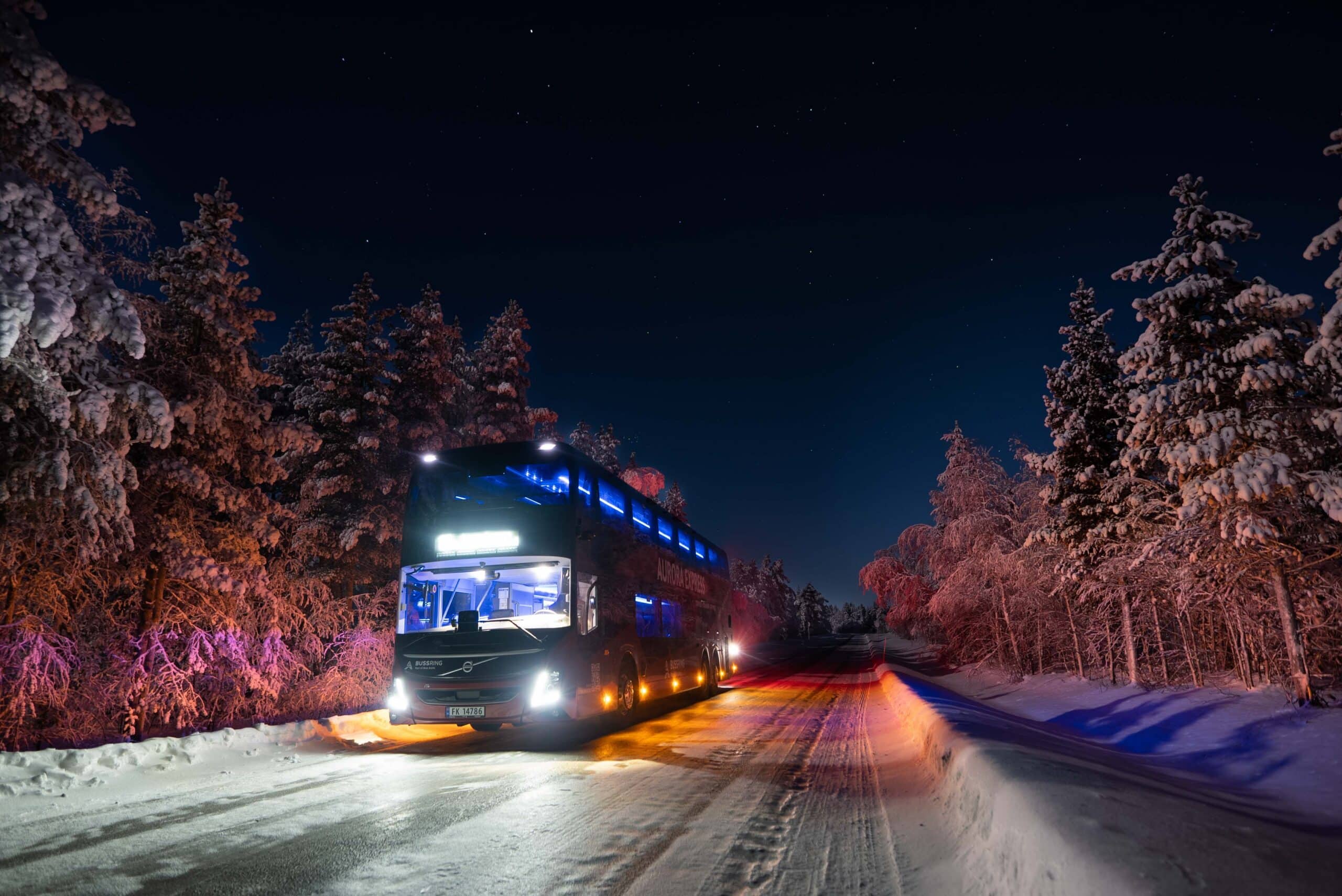
Planning a winter trip across the Arctic and wondering how to travel between Rovaniemi and Tromsø? During the winter season 2026/2027, travelers can choose between two bus routes connecting Northern Norway and Finnish Lapland: the Arctic Route daytime bus and the Aurora Express Nightliner. Both routes connect two of the most popular winter destinations in […]
How to get from Tromsø Airport to the city center with luggage
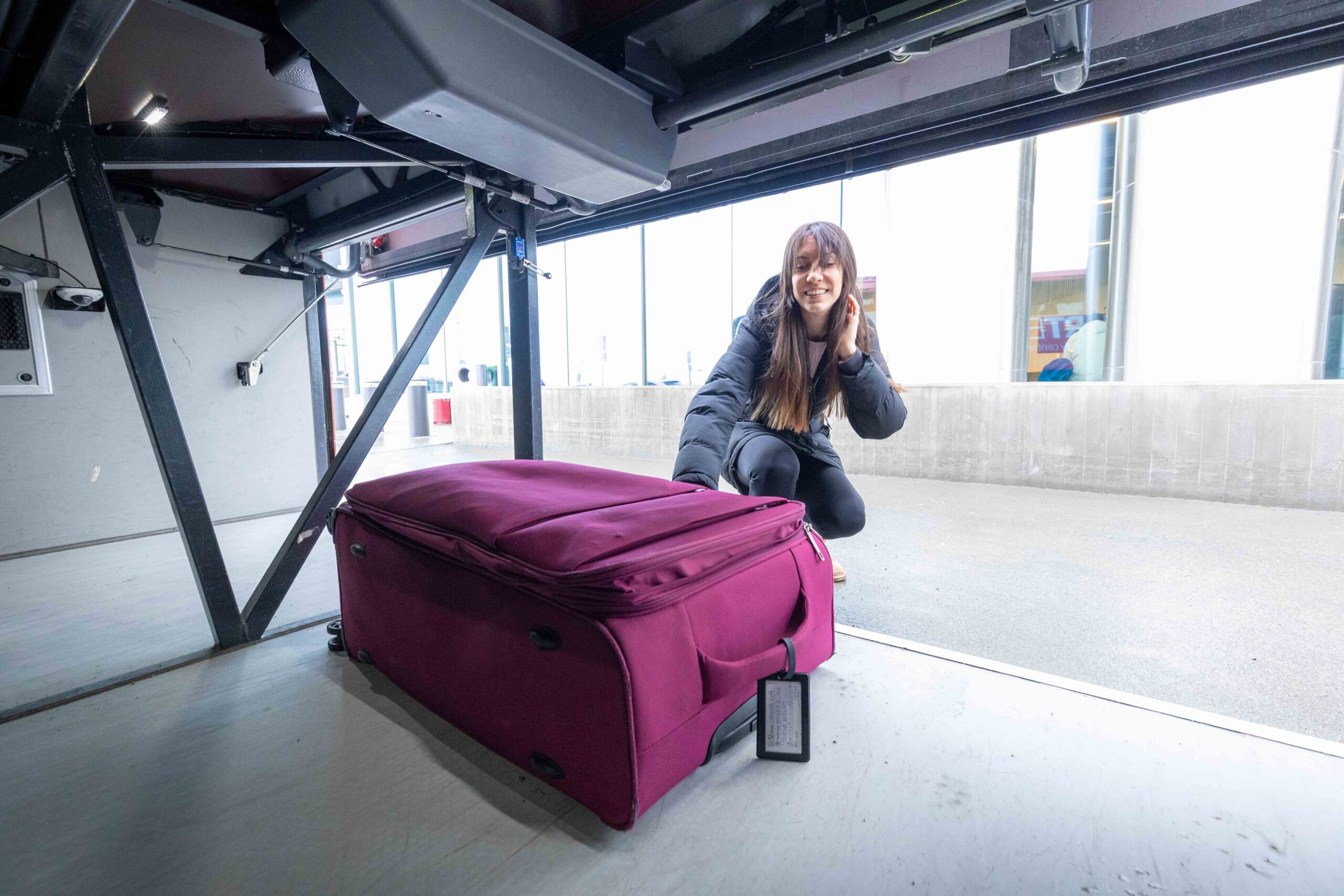
Landing in Tromsø is exciting, but after a long journey, one question often comes first: how do you get from Tromsø Airport to the city centre with luggage? The easiest option for many visitors is the Airport Express bus operated by Best Arctic. The service is designed for travellers arriving in Tromsø and offers a […]
Dog Sledding with Carts vs snow sledding: What’s the difference?
Dog sledding is one of the most popular activities in the Arctic and a must-do for many travelers visiting Tromsø. However, depending on when you travel and the snow conditions you can encounter two different options: dog sledding with carts during autumn (from mid-September and throughout November) and traditional dog sledding on snow during winter […]
If you are staying in Tromsø during summer, you may be wondering whether Sommarøy is worth visiting for just one day. The answer is yes. Sommarøy is one of the best day trips you can take from Tromsø during the summer season. With white-sand beaches, turquoise waters, coastal landscapes and a calm atmosphere, Sommarøy offers […]
Wie kommt man im Sommer 2026 ohne Auto nach Sommarøy?
Möchten Sie Sommarøy diesen Sommer entdecken, ohne ein Auto zu mieten? Gute Nachrichten: Die Anreise ist einfacher, als Sie vielleicht denken. Mit der Sommerbusverbindung zwischen Tromsø und Sommarøy können Sie sich entspannt zurücklehnen und eine der schönsten Küstenstraßen Nordnorwegens genießen. Schon bald erreichen Sie die Insel Sommarøy. Warum lohnt sich ein Besuch in Sommarøy? Sommarøy […]
Lohnt es sich, Sommarøy im Sommer von Tromsø aus zu besuchen?
Nur etwa 1,5 Stunden von Tromsø entfernt, fühlt sich Sommarøy wie eine völlig andere Welt an. Weiße Sandstrände, kristallklares türkisfarbenes Wasser, arktische Berge und kleine Fischerdörfer schaffen eine Landschaft, die fast jeden überrascht, der sie zum ersten Mal besucht. Viele Reisende kommen nach Tromsø wegen der Mitternachtssonne, der arktischen Natur und den Abenteuern im Freien. […]